Blog | 7 mins read
May 19, 2026
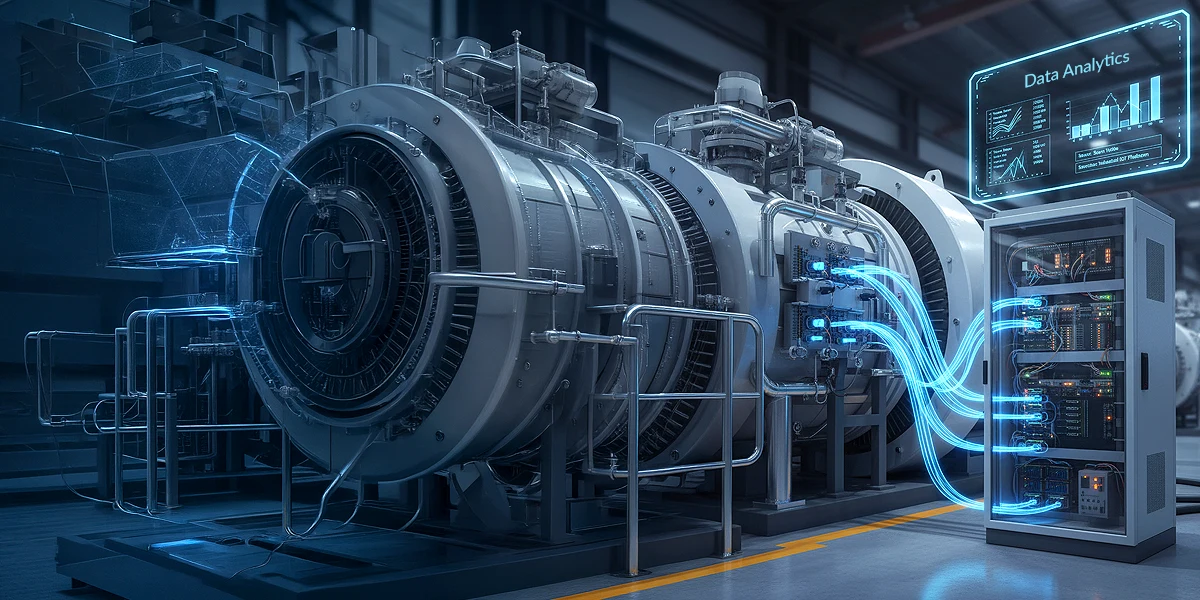
Manufacturers today face mounting pressure to improve efficiency while controlling costs. With many organizations still relying on disconnected legacy systems, as well as other issues like supply chain disruptions and rising material costs, the limitations of traditional production models have grown increasingly clear.
This is where manufacturing data analytics plays a transformative role.
Leveraging manufacturing business intelligence and advanced tools, organizations can convert their raw operational data into actionable insights. These insights enable faster decisions, optimize production workflows, and ultimately drive measurable improvements in efficiency and cost reduction.
What is data analytics in manufacturing?
Manufacturing data analytics refers to the process of collecting, analyzing, and interpreting data generated across production environments to improve operational performance.
Manufacturers collect data from machines, IoT sensors, ERP systems, supply chains, and production lines, providing continuous streams of operational data that capture everything from equipment performance to production output.
From there, analytics tools transform this raw data into meaningful insights, allowing manufacturers to identify any inefficiencies and predict disruptions before they become a problem. This approach—often supported by manufacturing process analytics—helps reduce downtime, improve productivity, and support more informed, data-driven decisions.
Types of manufacturing analytics
Manufacturing analytics can be divided into four key categories:
Descriptive analytics
Descriptive analytics help organization answer what exactly happened, providing historical visibility into operations and support manufacturing KPI tracking via monthly production output reports or downtime summaries.
Diagnostic analytics
Diagnostic analytics explain why an outcome happened. Through methods such as manufacturing performance analytics, this model helps identify root causes behind inefficiencies or failures.
Predictive analytics
Unlike more reactive analytical models, predictive analytics help organizations forecast what will likely happen in the future. Leveraging historical data and algorithms, this method helps to enable proactive maintenance to prevent outcomes like equipment failures.
Prescriptive analytics
Prescriptive analytics can also enable more proactive behavior from organizations, recommending to them what actions they should take next. Using real-time manufacturing analytics solutions to recommend maintenance schedules or inventory adjustments, this model suggests actions that will help optimize overall operations and workflows.
Fundamentals of manufacturing analytics
The foundation of successful analytics implementation is built on three core pillars:
- Data collection
Data is gathered from machines, sensors, IoT devices, ERP systems, and supply chain platforms. Modern connected manufacturing solutions ensure seamless data flow across systems, improving visibility and accessibility. - Data analysis
The collected data is then processed to uncover trends, inefficiencies, and optimization opportunities. Advanced industrial analytics solutions enable deeper insights into production performance and operational bottlenecks. - Data-driven decision making
Once the data is processed, organizations can leverage the insights provided to guide strategic and operational decisions. This includes optimizing maintenance schedules, improving workflows, and enhancing manufacturing supply chain analytics to align production with demand.
Benefits of analytics in manufacturing
The benefits of manufacturing analytics extend across the entire production lifecycle:
- Reduces machine downtime
- Enables predictive maintenance
- Improves product quality
- Enhances production efficiency
- Reduces operational costs
- Improves demand forecasting
- Optimizes supply chain performance
- Minimizes waste
- Supports sustainability initiatives
- Helps manufacturers make faster, data-driven decisions
Challenges in implementing manufacturing analytics
Despite its advantages, implementing manufacturing analytics solutions can present several challenges:
- Data silos across systems
Manufacturing environments often rely on disconnected systems such as ERP, MES, and legacy equipment. These data silos prevent a unified view of operations, making it difficult to fully leverage insights from manufacturing business intelligence tools. - Legacy infrastructure issues
Outdated machinery and systems may lack compatibility with modern analytics platforms, creating integration challenges that often require upgrades before deploying more advanced factory analytics software. - Lack of real-time data access
Without real-time data visibility, manufacturers can only rely on delayed reports, limiting their responsiveness and decision-making in regard to any disruptions. - High implementation costs
Initial investments in infrastructure, integration, and tools—such as industrial analytics solutions—can be significant, potentially deterring smaller manufacturers from adopting analytics at scale. - Data security concerns
As systems become more connected, cybersecurity risks also will increase, requiring significant protection of sensitive operational and supply chain data. - Skill gaps in analytics adoption
The limited talent pool of professionals who can manage analytics tools and interpret data remains one of the largest barriers for organizations large or small, preventing them from maximizing the value of manufacturing performance analytics and other advanced capabilities.
Selecting the right solution
As manufacturers continue to embrace digital transformation, analytics will play a central role in enabling a future defined by efficiency, resilience, and innovation. However, transformations like these are often complex for a single party to manage on their own.
That is why partnering with an experienced provider like eClerx can help organizations overcome implementation challenges and accelerate value realization. With over two decades of industry expertise and our advanced data visualization tools such as DataEdge360, we ensure our clients are able to access valuable insights that drive business impact and continuous organizational innovations.
Connect with our experts today to explore how our domain knowledge and Generative and Agentic AI technology can futureproof your organization’s analytics capabilities.
Frequently Asked Questions
Q) How does manufacturing data analytics improve material waste reduction?
Manufacturing data analytics improves material waste reduction by providing visibility into where and why waste occurs across the production process.
Through the analysis of real-time and historical production data, manufacturers can identify inefficiencies such as overproduction, defective batches, machine miscalibration, or inconsistent raw material quality. Advanced analytics can also detect patterns that lead to scrap or rework, enabling teams to make targeted process adjustments. Additionally, predictive insights help optimize inventory usage and production planning, ensuring materials are used more efficiently and only when needed.
Over time, this leads to more accurate forecasting, improved yield rates, and reduced overall material consumption.
Q) Can manufacturing data analytics predict equipment failures before they happen?
Yes, manufacturing data analytics can predict equipment failures through predictive maintenance models.
Analytics systems can detect early warning signs of wear or malfunction by the continuous monitoring of machine data such as vibration, temperature, pressure, and operating cycles. Machine learning models then analyze these patterns to forecast when a component is likely to fail. This allows maintenance teams to intervene before breakdowns occur, reducing unplanned downtime and costly repairs.
Predictive models also can help extend equipment lifespan and improve production continuity by scheduling maintenance during planned downtime rather than reacting to unexpected failures.
Q) How can manufacturing data analytics improve energy efficiency in production facilities?
Manufacturing data analytics improves energy efficiency by identifying how and where energy is consumed throughout production processes.
Through the analysis of machine-level and facility-wide energy usage data, manufacturers can detect inefficiencies such as equipment running at suboptimal settings, idle power consumption, or energy spikes during peak operations. From there, analytics tools can recommend optimized machine schedules, adjust production loads, and highlight opportunities to shift energy usage to off-peak times.
Over time, this leads to more balanced energy consumption, reduced utility costs, and lower environmental impact while maintaining production output.
Q) What security measures protect sensitive information in manufacturing data analytics systems?
Manufacturing data analytics systems are protected through a combination of cybersecurity measures designed to safeguard sensitive operational and business data.
Common protections include data encryption (both in transit and at rest), multi-factor authentication, and role-based access controls to ensure only authorized personnel can access specific datasets. Secure network architecture, such as firewalls and segmented industrial networks, helps prevent unauthorized access from external threats. Additionally, continuous monitoring and intrusion detection systems identify suspicious activity in real time. Regular security audits, patch management, and compliance with industry standards further strengthen data protection and reduce vulnerability to cyberattacks.
eClerx’s Data & Analytics services can help manufacturers turn production and operational data into actionable insights for better planning and efficiency while keeping data secure.
Featured insights